
How to Save a Newborn Bird Found Alone in Your Backyard
You step outside to check the mail or water the plants, and there it is—a tiny, featherless creature lying motionless on the sunbaked ground. The first instinct is panic. The second is hope. I’ve been there, and I know how overwhelming that moment feels. But here’s the thing: with a little knowledge and a lot of care, you can turn a desperate situation into a second chance at life.
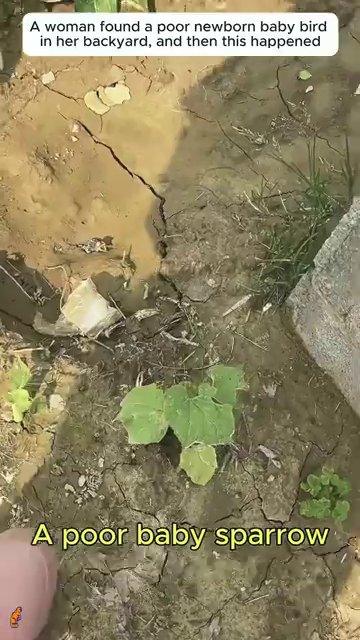
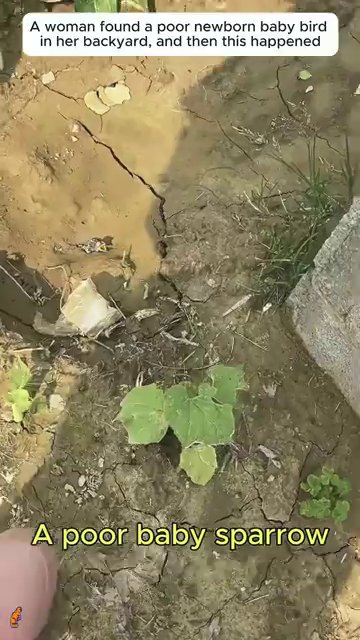
One afternoon, I spotted a newborn sparrow on the cracked earth of my backyard. It was barely recognizable as a bird—just a pinkish beak, closed eyes, and a few wisps of fluff. The ground around it was littered with twigs and pebbles, and the bird looked impossibly fragile. My heart sank. I knew I had to act fast, but I also knew I couldn’t just scoop it up without a plan. That moment taught me everything I’m about to share with you.
Is the Bird Really Abandoned?
Before you rush in, pause. It’s easy to assume a baby bird alone is orphaned, but that’s not always the case. Many songbirds, like sparrows, leave the nest before they can fly—it’s called fledging. The parents are usually nearby, still feeding and watching over the chick. But this bird was different. It was a hatchling, not a fledgling. Its eyes were still sealed shut, and it had barely any feathers. A hatchling that young cannot survive outside the nest for long.
The visual evidence told the story: the bird lay on dry, cracked earth with no nest in sight. There were no adult birds swooping down to feed it. The temperature was warm, but the ground was hard and exposed. This was not a fledgling taking its first clumsy steps. This was a baby that had fallen—or been pushed—from its home.
The First Rescue: Gentle Hands, Quick Action
Picking up a newborn bird is nerve-wracking. You’re terrified of hurting it, of doing something wrong. But hesitation can be deadly. I grabbed a clean white tissue, gently scooped the bird onto it, and cradled it in my palm. The key is to be slow and steady. Don’t squeeze. Don’t poke. Just let the bird rest in the tissue, which provides warmth and a soft surface.
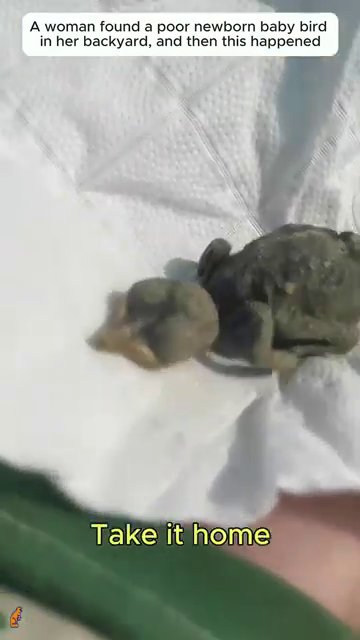
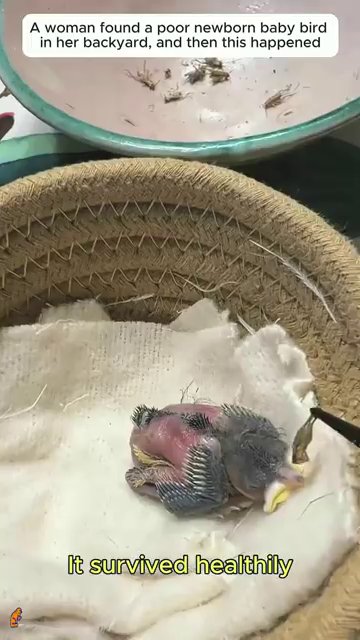
I brought it inside immediately. The bird was placed on a green surface—a towel or a piece of cloth—with the tissue still underneath. Its eyes were still closed, and its beak was a tiny pink triangle. It looked like something from another world, so raw and unfinished. At this stage, the bird is completely dependent on external heat. Their bodies can’t regulate temperature yet. So the first thing I did was create a warm, quiet space.
Setting Up a Safe Indoor Space
You don’t need fancy equipment to care for a hatchling. What you need is warmth, safety, and cleanliness. I used a small cardboard box lined with soft paper towels. No terry cloth towels—their loops can catch on tiny claws and beaks. I placed the box in a quiet corner away from pets, children, and drafts.
A heat source is critical. I used a heating pad set on low, placed under half the box. That way the bird could move away if it got too warm. Alternatively, you can use a warm water bottle wrapped in a towel. Check the temperature frequently. If the bird is panting or stretching its neck, it’s too hot. If it’s huddled and shivering, it’s too cold.
The Hardest Part: Feeding a Hatchling
Here’s where most well-meaning rescuers go wrong. Baby birds have very specific dietary needs. Bread, milk, or birdseed from the pet store will kill them. They need a high-protein, easily digestible diet. In the wild, parents feed them insects—soft-bodied caterpillars, beetles, and grubs. In a rescue situation, you need a commercial hand-feeding formula designed for songbirds.
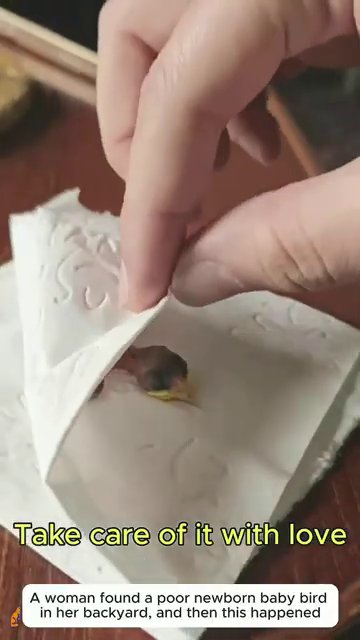
I fed the bird using a small syringe or a blunt-tipped tweezers. The trick is to tap gently on the side of the beak. The bird will instinctively open its mouth wide. You place a tiny drop of food at the back of its throat. Never squirt formula into the mouth—it can go into the lungs and cause aspiration pneumonia. Feed every 20-30 minutes from dawn to dusk. Yes, that means no sleep for you. This is not a casual commitment.
Watching It Grow: The Daily Miracles
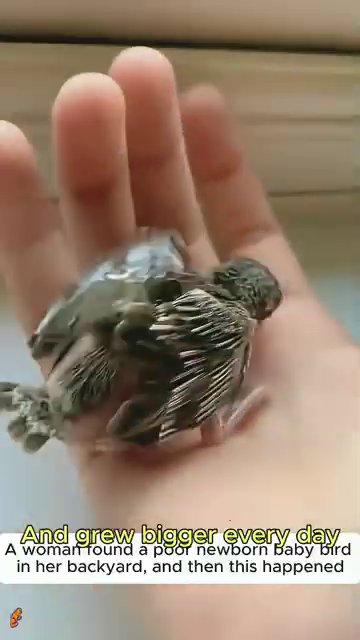
The transformation is astonishing. Within days, the bird’s eyes opened. Then came the pin feathers—those dark, tubular shafts that eventually unfurl into real plumage. The bird went from a helpless pink blob to a curious, alert creature. It started perching on my finger, looking around with bright, focused eyes.
This is where the bond gets dangerous—for both of you. It’s easy to fall in love. But remember: your goal is to raise a wild animal, not a pet. Every interaction should be designed to prepare the bird for release. That means minimizing handling, avoiding human sounds and voices, and keeping it in a quiet environment. I made the mistake of talking to my bird too much. It became imprinted—too comfortable with humans. Fixing that took extra effort.
The Final Step: Preparing for Release
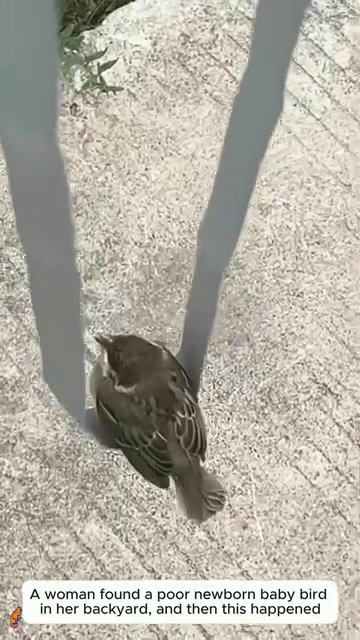
Release isn’t just opening the door and letting the bird fly away. It’s a process. The bird needs to learn to forage, recognize predators, and build strength. I moved the bird to an outdoor aviary—a large cage with branches, leaves, and shallow dishes of water. I placed it in the same backyard where I found it. The bird spent days hopping from branch to branch, fluttering its wings, and testing its flight muscles.
During this time, I reduced feeding gradually. I offered live insects and seeds, letting the bird catch its own food. It was hard to watch it struggle. But that struggle is essential. A bird that can’t feed itself won’t survive in the wild. I had to trust the process.
When to Call a Professional
I’m going to be honest with you: I was lucky. My bird thrived. But many hatchlings don’t make it, even with the best care. Dehydration, infection, and improper feeding can kill them in hours. If you find a baby bird, your first call should be to a licensed wildlife rehabilitator. They have the training, equipment, and legal permits to handle wild animals. In many places, it’s actually illegal to keep a native songbird without a permit.
If you can’t reach a rehabber immediately, stabilize the bird: keep it warm, dark, and quiet. Offer no food or water until you speak to an expert. I know it feels urgent to feed a hungry bird, but doing it wrong can be worse than doing nothing.
The Moment of Letting Go
The day of release was bittersweet. I opened the aviary door and stepped back. The bird hesitated, then hopped onto a low branch. It looked back at me once, then flew into a nearby tree. I watched it preen, stretch, and call out. Within an hour, it had joined a small flock of sparrows. It was gone.
I won’t pretend I didn’t cry. But that’s the point, isn’t it? You pour your heart into a creature that will never thank you, never remember you. And that’s exactly how it should be. The goal isn’t gratitude. It’s freedom.
Key Takeaways for Anyone Who Finds a Baby Bird
- Identify the stage. A hatchling (eyes closed, no feathers) needs immediate help. A fledgling (feathers, hopping around) is probably fine—leave it alone unless it’s injured.
- Keep it warm. Heat is the first priority. A box with a heating pad or warm water bottle works.
- Don’t feed it wrong. No bread, milk, or birdseed. Use a commercial formula or contact a rehabber.
- Minimize contact. The less the bird bonds with you, the better its chances of survival in the wild.
- Call a professional. Wildlife rehabbers are your best resource. They can save birds that you can’t.
That tiny, featherless creature I found on the ground? It grew into a healthy sparrow that now lives in the trees behind my house. I hear it singing every morning. And every time, I remember that moment of panic—and the choice to act instead of walk away. You can make that choice too. It’s not easy. But it’s worth every sleepless night and every anxious hour.
