
One Small Turtle, One Big Rescue: A Story of Second Chances
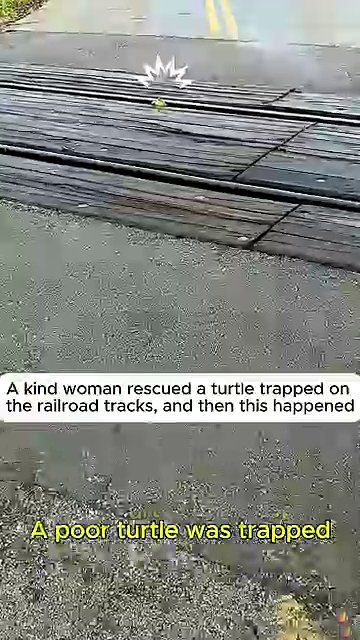
You spot something small on the railroad tracks. At first, it’s just a dark shape against the gray gravel and steel rails. Then you realize it’s moving. A turtle, stuck between the rails, completely vulnerable. If a train came through right now, that would be it. There’s no time to think — only time to act.
That’s exactly what happened here. A person noticed a tiny turtle stranded on the tracks and made the split-second decision to scoop it up. What followed wasn’t just a quick rescue. It was the start of a long, patient journey back to health. And the ending? Well, that’s the best part.
The Moment Everything Changed
The first thing you notice about this turtle is how small it is. It’s barely bigger than a hand, sitting right in the middle of a railroad track. The ground around it is dry and dusty. The sky is overcast. Nothing about the scene looks welcoming.
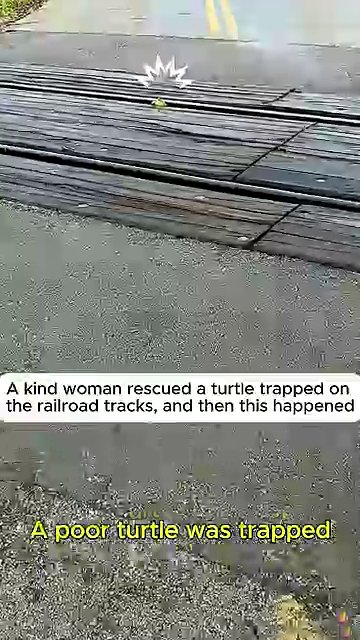
Turtles don’t belong on train tracks. They belong in ponds, marshes, or slow-moving streams. So why was it there? Maybe it got confused during a storm. Maybe it was trying to cross the tracks to find water and got stuck on the high gravel bed. Either way, it was in serious danger. A train wouldn’t see something that small until it was too late.
The rescuer didn’t hesitate. They reached down, picked up the turtle, and moved it to safety. That single moment of awareness — noticing something wrong and choosing to act — is what separates a happy ending from a tragedy.
First Contact: Dirty, Wet, and Scared
Once the turtle was off the tracks, the rescuer got a good look at it. The shell was caked with mud and debris. The skin looked damp, almost slimy. It wasn’t injured in any obvious way — no cracks in the shell, no bleeding — but it clearly wasn’t thriving. A turtle this dirty and wet, sitting exposed on a rail line, had probably been there for a while.
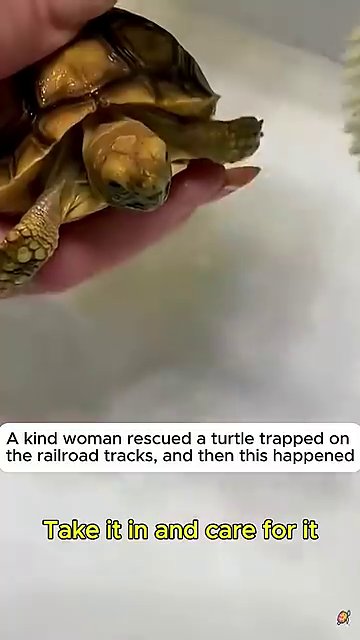
This is where a lot of well-meaning rescuers make their first mistake. They assume a dirty turtle needs to be scrubbed clean immediately. That’s not always true. A turtle’s shell is living tissue. Scrubbing too hard can damage it. The better approach, and the one this rescuer took, is to get the turtle into a safe, quiet environment first. Let it settle down. Let it realize it’s not in danger anymore.
The turtle was brought indoors. The background changed from open sky to a blurry white wall — probably a bathroom or a utility room. Somewhere warm, somewhere quiet. The turtle needed to decompress before anything else could happen.
A Soak in Warm Water
After the initial shock wore off, the next step was a gentle bath. The turtle was placed in a shallow container of lukewarm water. Not hot. Not cold. Just warm enough to help it rehydrate and loosen the caked-on dirt.
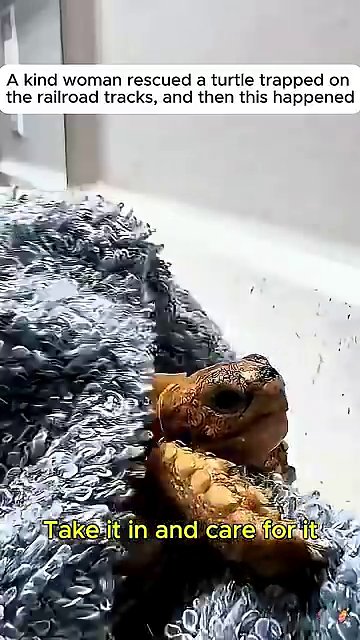
This is a crucial moment in any turtle rescue. Turtles that have been stranded for hours or days are almost always dehydrated. A warm soak does two things at once: it helps clean the shell and skin, and it encourages the turtle to drink. You can actually watch them lower their heads and take sips of water once they realize it’s safe.
The rescuer didn’t rush this. They let the turtle sit in the water, splash around a little, and get comfortable. There’s no frantic scrubbing here. Just patience. The turtle started to perk up. Its movements became less sluggish. Its eyes, which probably looked dull and tired before, began to clear.
The Slow Road to Recovery
After the bath, the real work began. A rescued turtle needs more than just a single cleaning. It needs proper care, the right food, and a safe place to recover. This isn’t a one-day project. It can take weeks or even months before a turtle is strong enough to be released.
The turtle was moved to a secure indoor enclosure. The water was kept clean and shallow — deep enough to swim in, but shallow enough that the turtle could easily rest with its head above the surface. A heat lamp or basking area was probably set up nearby. Turtles are cold-blooded. They need external heat to digest food and stay active.
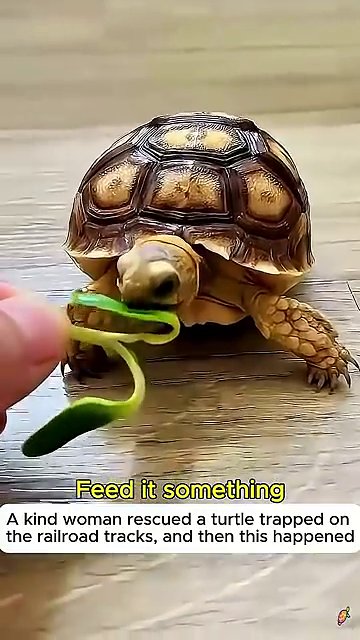
Look at that face. Those eyes are clear. The skin is clean. The shell is starting to show its natural color instead of being hidden under grime. This is a turtle that’s turning around. It’s eating again. It’s moving around its enclosure. It’s starting to act like a normal turtle should.
The rescuer kept a close eye on its behavior. Did it swim normally? Was it eating the right foods? Did it show any signs of illness or injury? Turtles are tough animals, but they’re also good at hiding when something’s wrong. You have to watch them carefully.
Growing Stronger Every Day
As the weeks passed, the turtle grew. That’s the most obvious sign of success. A healthy turtle eats well and grows steadily. The shell expands. The legs get stronger. The whole animal just looks more solid.
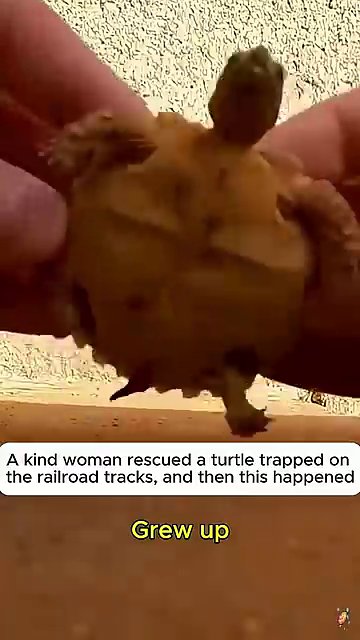
This is where the story really pays off. The turtle that was once a tiny, dirty speck on a railroad track is now a robust, healthy animal. It’s been fed a proper diet — probably a mix of leafy greens, vegetables, and the occasional protein treat. It’s had access to clean water and a warm basking spot. It’s been safe.
But here’s the thing about rescuing wildlife: the goal isn’t to keep it forever. The goal is to give it a second chance at life in the wild. A rescued turtle that’s been indoors for months can’t just be dropped back into the first pond you find. It needs to be released in the right place, at the right time, and in the right way.
The Final Step: Going Home
The last part of the journey is the release. The turtle was taken to a natural setting — somewhere with clean water, plenty of vegetation, and no immediate threats. No roads nearby. No predators lurking in the open. A good spot where a turtle can thrive.
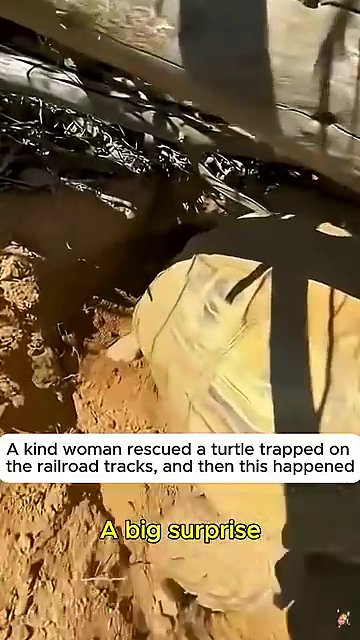
This is the moment every rescuer waits for. You open your hands. The turtle takes a step forward. Then another. It hits the water, or the grass, or the mud, and it just goes. It knows what to do. It was born knowing. You just gave it the chance to do it.
The turtle in this story walked away healthy and strong. No visible injuries. No signs of distress. Just a normal turtle, doing normal turtle things, in a place where it belongs.
What This Rescue Teaches Us
Not every rescue story has to be dramatic. There were no floods, no fires, no cars speeding toward the turtle. Just a person who noticed something small and vulnerable, and decided to help. That’s enough. That’s more than enough.
If you ever find a turtle in a dangerous place — a road, a railroad track, a parking lot — here’s what to remember:
- Move it in the direction it was heading. Turtles know where they’re going. If you put them back where they started, they’ll just try again.
- Handle it gently. Wash your hands afterward. Turtles can carry salmonella, and you don’t want to stress the animal out by grabbing it roughly.
- Give it water and warmth. If the turtle looks dehydrated or weak, a shallow soak in warm water can help a lot.
- Don’t keep it unless it’s injured. Wild turtles belong in the wild. If it’s healthy, let it go in a safe natural area nearby.
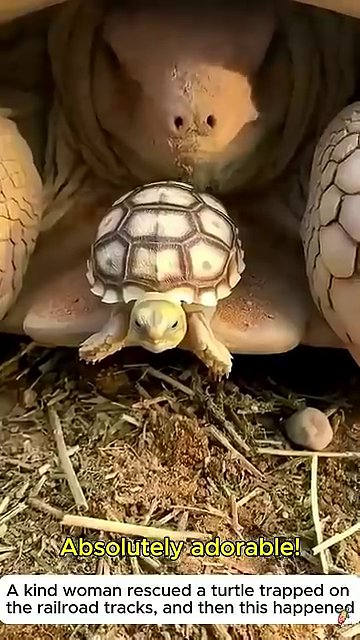
This turtle got lucky. It was in the wrong place at the wrong time, but the right person came along. That’s how second chances work. Someone notices. Someone cares. Someone takes the time to do something small that makes a huge difference.
If you’ve ever rescued an animal, you know the feeling. That quiet satisfaction of watching something fragile become strong again. That’s what this story is really about. Not just one turtle on one set of tracks. But the power of paying attention, and the difference it makes when we do.
