
How we saved a tiny squirrel’s life
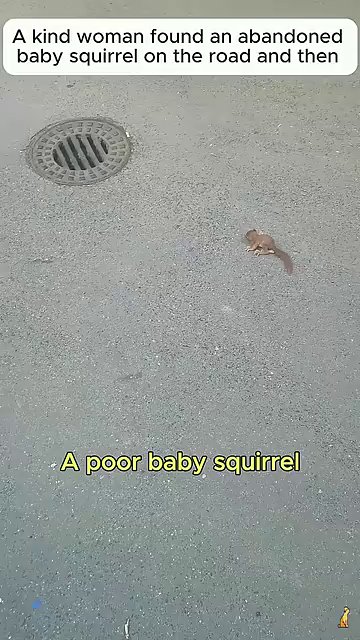
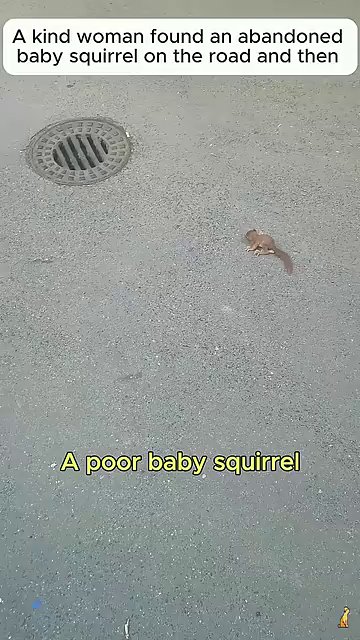
It started with a tiny, motionless lump of grey fur on the pavement. A baby squirrel, barely old enough to have its eyes open, lay alone near the gaping mouth of a storm drain. If you’ve ever found a creature that small and vulnerable, you know the immediate, gut-level feeling: you can’t just walk away.
We didn’t. What followed were weeks of round-the-clock care, a steep learning curve in squirrel nutrition, and one of the most rewarding experiences of our lives. This is the story of how a little life hanging by a thread found its way back.
The moment we found him
The first sighting was alarming. The squirrel was on a grey, paved surface — a road or a wide sidewalk — and he was completely alone. There was no sign of a mother nearby, no nest that had fallen from a tree. He just sat there, small and exposed, inches from a storm drain that could have swallowed him whole.
At that stage, a baby squirrel is utterly helpless. They can’t regulate their own body temperature, they can’t forage, and they have almost no chance of surviving a single night without care. The choice was simple, even if the path ahead was not. We scooped him up gently, wrapped him in a soft cloth for warmth, and brought him inside.
The first critical hours
This is where a lot of well-meaning rescue attempts go wrong. A baby animal in shock needs two things before anything else: warmth and hydration. Not cow’s milk, not bread soaked in water — just steady, gentle heat and fluids designed for their delicate system.
We set up a small box lined with fleece, placed a heating pad under half of it (so he could move away if he got too warm), and kept the room quiet and dim. Then came the first feeding.
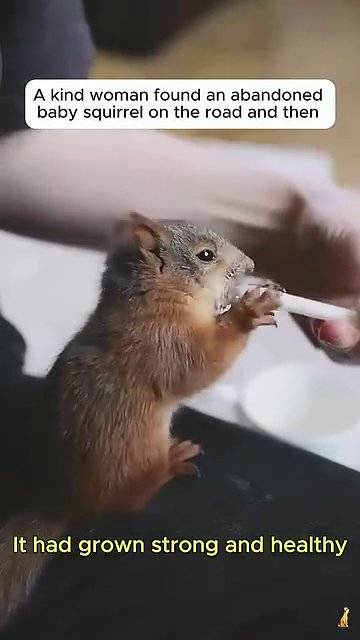
Feeding a baby squirrel is nothing like feeding a puppy or a kitten. They need a special formula — Esbilac puppy milk replacer is the standard — fed slowly through a small syringe or tube. The first time we offered it, he was hesitant. But within moments, instinct took over. He gripped the tube with his tiny front paws and began to drink. That was the first sign we had a fighter on our hands.
What not to feed a wild baby
A quick but important note: never give a baby squirrel cow’s milk, almond milk, or any human-grade milk. It will cause severe digestive upset and can be fatal. Stick to a proper wildlife formula, and if you can’t get it immediately, keep the animal warm and contact a licensed rehabilitator. We got lucky — we had the right supplies on hand — but for most people, the fastest path to help is a phone call.
Watching him grow stronger
Over the next several days, the transformation was remarkable. He went from a hunched, quiet little ball of fur to an alert, curious creature with bright eyes and ears that perked up at every sound.
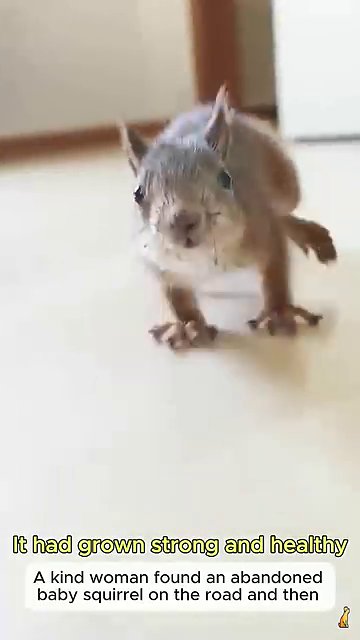
His fur filled out. His movements became more coordinated. He started exploring his enclosure, climbing onto low perches, and showing real interest in the world around him. That’s when we knew he was past the most dangerous phase. Now the real work began — preparing him for a life back in the wild.
Learning to eat like a squirrel
A baby squirrel can’t stay on formula forever. At some point, they have to learn to crack nuts, gnaw on hard foods, and develop the jaw strength they’ll need to survive outside. That transition is messy, hilarious, and a little nerve-wracking.
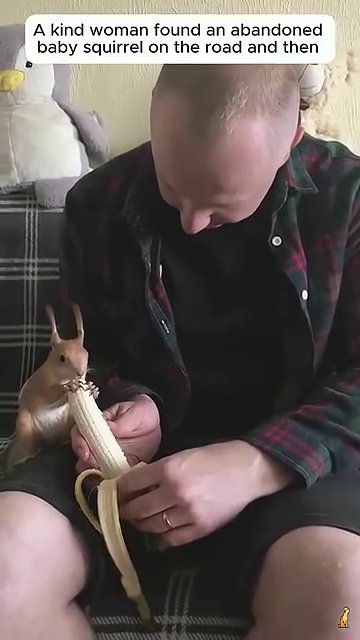
The first solid food we offered was an ear of corn. It sounds odd, but corn is excellent for teaching a squirrel how to manipulate food with their paws and teeth. He approached it cautiously at first, sniffing, circling. Then he took a small nibble. Then another. Pretty soon he was perched right on top of it, gnawing away like he’d been doing it his whole life.
That moment — watching him figure out how to be a squirrel — was pure joy. It’s one thing to keep an animal alive. It’s another to watch them discover what they were born to do.
Introducing variety
After corn came nuts in the shell, fresh vegetables, and the occasional piece of fruit. We learned quickly that squirrels have strong preferences. Walnuts were a hit. Broccoli was met with deep suspicion. Avocado? Absolutely beloved.
We also made sure he had plenty of branches and chew toys to keep his teeth from overgrowing. A squirrel’s incisors never stop growing, and if they don’t have hard materials to gnaw on, those teeth can cause serious problems.
The bond that surprised us
Here’s something they don’t tell you about raising a wild animal: you will fall in love with it. And it might fall in love with you back.
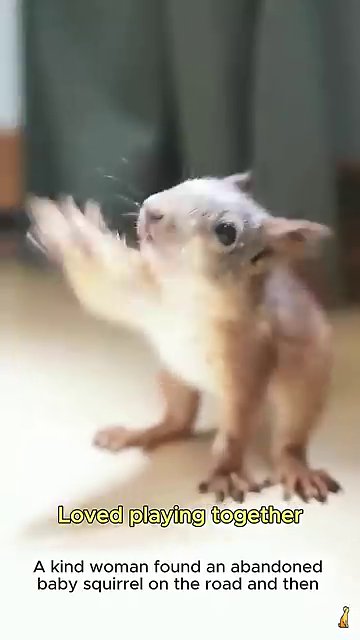
From the start, this squirrel was incredibly social. He would climb onto our hands without hesitation. He’d fall asleep in a hoodie pocket. He’d come running when he heard our voices. There were moments when we genuinely wondered if he’d ever want to leave.
But that’s the tricky part of wildlife rescue. The goal is not to keep them. The goal is to give them back their freedom. A squirrel that becomes too dependent on humans has no future in the wild. So we had to balance affection with restraint — letting him bond with us enough to feel safe, but not so much that he lost his natural wariness.
Preparing for release
As he grew into a strong, healthy juvenile, we started the process of “soft release.” This means giving the animal access to the outdoors while still providing food and shelter, so the transition is gradual rather than abrupt.
We set up a release cage in the backyard — a large enclosure with branches, a nest box, and plenty of natural materials. For the first week, we kept him inside it, letting him get used to the sounds and smells of the outdoors. Birds, wind, the rumble of distant cars — all of it was new.
Then we opened the door.
He didn’t bolt. He sat at the entrance for a long time, sniffing the air. Then, slowly, he climbed out onto a branch. He looked back at us once. And then he was off, scrambling up a tree with the kind of speed and confidence that only a creature born for this life can manage.
A happy ending — and a new beginning
He came back to the release cage for food for another week or so. Then the visits became less frequent. Eventually, we’d see him in the yard, foraging on his own, chasing other squirrels, living the life he was always meant to live.
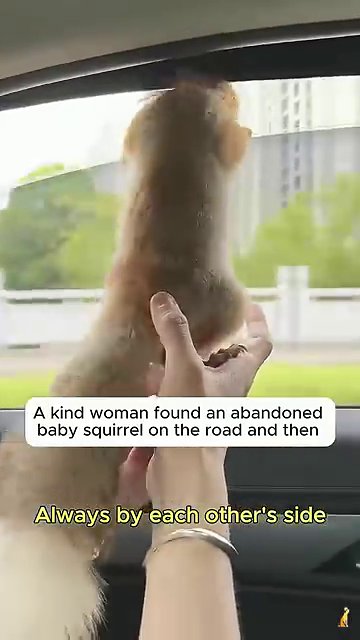
That’s the thing about rescue work. It’s not about keeping them. It’s about giving them a second chance, then letting them go. And if you’re lucky, you get to watch them thrive.
If you ever find a baby squirrel in need, don’t assume it’s doomed. With the right care — warmth, proper formula, and a plan for release — these tiny animals are incredibly resilient. They just need someone willing to stop, scoop them up, and give them a shot.
We did. And we’d do it again in a heartbeat.
